
Colombia Gold Mine Collapse: Why Illegal Mining Remains Dangerous
Understanding Illegal Gold Mining in Colombia
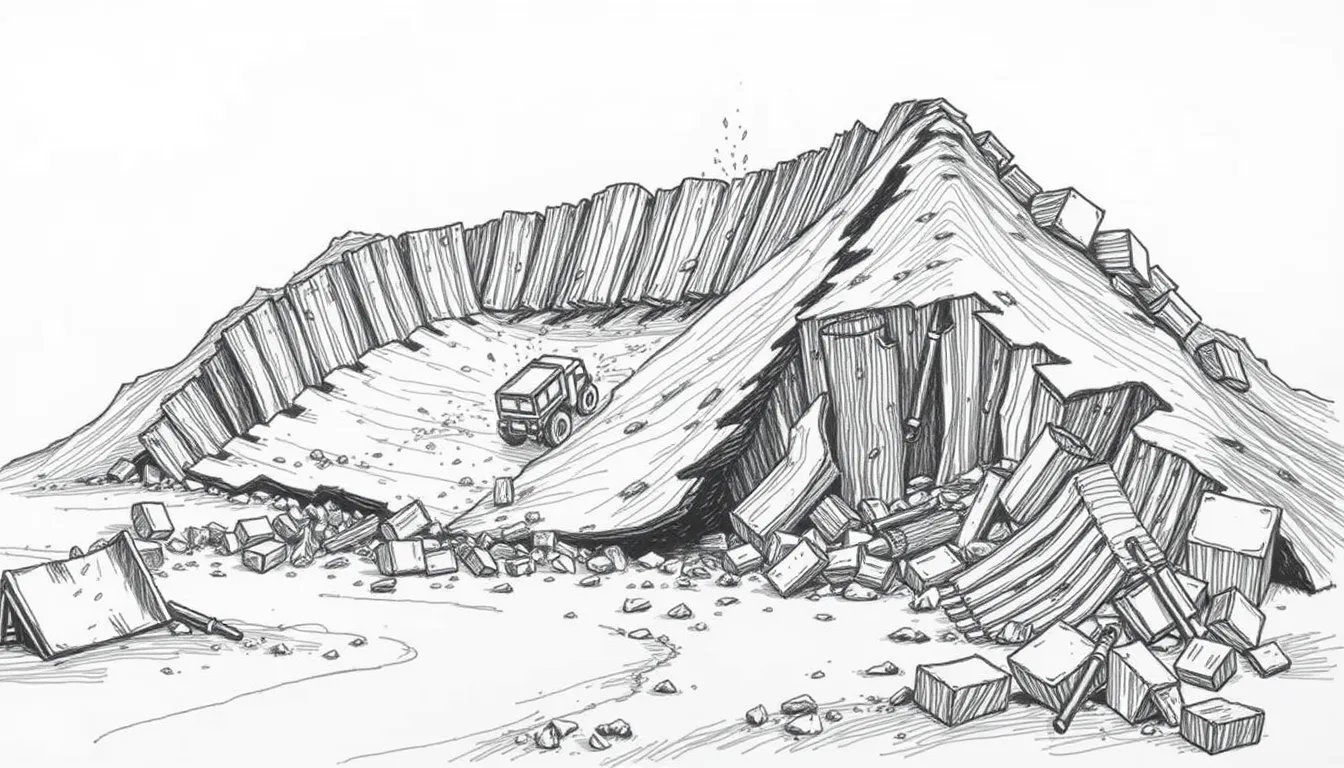
A catastrophic collapse at an unlicensed gold extraction site in Colombia claimed 14 lives and left 7 workers injured, underscoring the human cost of unregulated mining operations. This incident represents one of many fatal accidents linked to informal gold mining across the country, where thousands of workers operate in conditions that would never pass regulatory inspection. Illegal gold mining, also called artisanal or informal mining, exists on the margins of both the formal economy and legal oversight. Unlike legitimate Gold investment operations that adhere to strict safety protocols, informal mines lack the infrastructure, engineering standards, and emergency response systems that protect workers in licensed facilities. In Colombia specifically, geographic isolation, limited economic opportunities, and the high market value of gold create conditions where informal extraction persists despite well-documented dangers. Workers in these operations face exposure to unstable tunnel structures, inadequate ventilation, toxic chemicals used in processing, and minimal training in safety procedures. The gap between the economic incentive to mine and the actual protective measures in place creates a predictable pattern of tragedy that continues to repeat across mining regions.
The Economics Behind Worker Risk and Vulnerability
Many Colombians turn to illegal gold mining not out of choice but necessity—formal employment in rural and remote areas remains scarce, making even dangerous informal work an economic lifeline. Workers accept these risks because the income, though unpredictable and hazardous, can exceed what legitimate local jobs offer. This economic calculation changes dramatically when injury or death occurs. Unlike workers in formal industries who benefit from employer-provided workers’ compensation, disability insurance, and survivor benefits, those in illegal mining operations have virtually no financial safety net. When a worker is killed or permanently injured, their family faces immediate financial catastrophe with no institutional support. This vulnerability extends beyond mining; informal workers across construction, agriculture, and other high-risk sectors face identical exposure. The absence of protections creates a two-tier system where the most economically vulnerable workers bear disproportionate risk. From a gold investment perspective, the human cost of unregulated extraction rarely factors into commodity pricing, even though worker casualties directly reflect supply chain conditions. This economic disconnection enables informal mining to persist—the market-clearing price for gold doesn’t account for the true social cost embedded in its production.
Practical Lessons for Financial Protection and Risk Assessment
This tragedy serves as a sobering reminder for households depending on income from any physically risky work. Whether in mining, construction, transportation, or similar fields, workers should honestly assess their financial vulnerability. Practical first steps include calculating how long your household could survive if the primary earner were suddenly unable to work, then addressing gaps through individual action. If employer-provided benefits are absent or inadequate, consider purchasing term life insurance independently—it’s typically affordable and provides crucial protection for dependents. Build an emergency fund covering at least three to six months of expenses; this buffer protects against the immediate financial shock that families in the Colombia mining collapse now face. For those considering investment in commodities like gold, understanding the supply chain’s human element can inform ethical investment decisions. Some investors increasingly evaluate gold investment and crypto investment options through environmental and social governance frameworks, selecting platforms and products that support responsible extraction practices. Document your family’s financial obligations, beneficiaries, and assets. Share this information with trusted family members. These steps won’t prevent workplace accidents, but they can substantially reduce the financial devastation when emergencies strike, protecting families from compounding tragedy with financial ruin.
Source: 14 Dead, 7 Injured in Colombia Illegal Gold Mine Collapse