
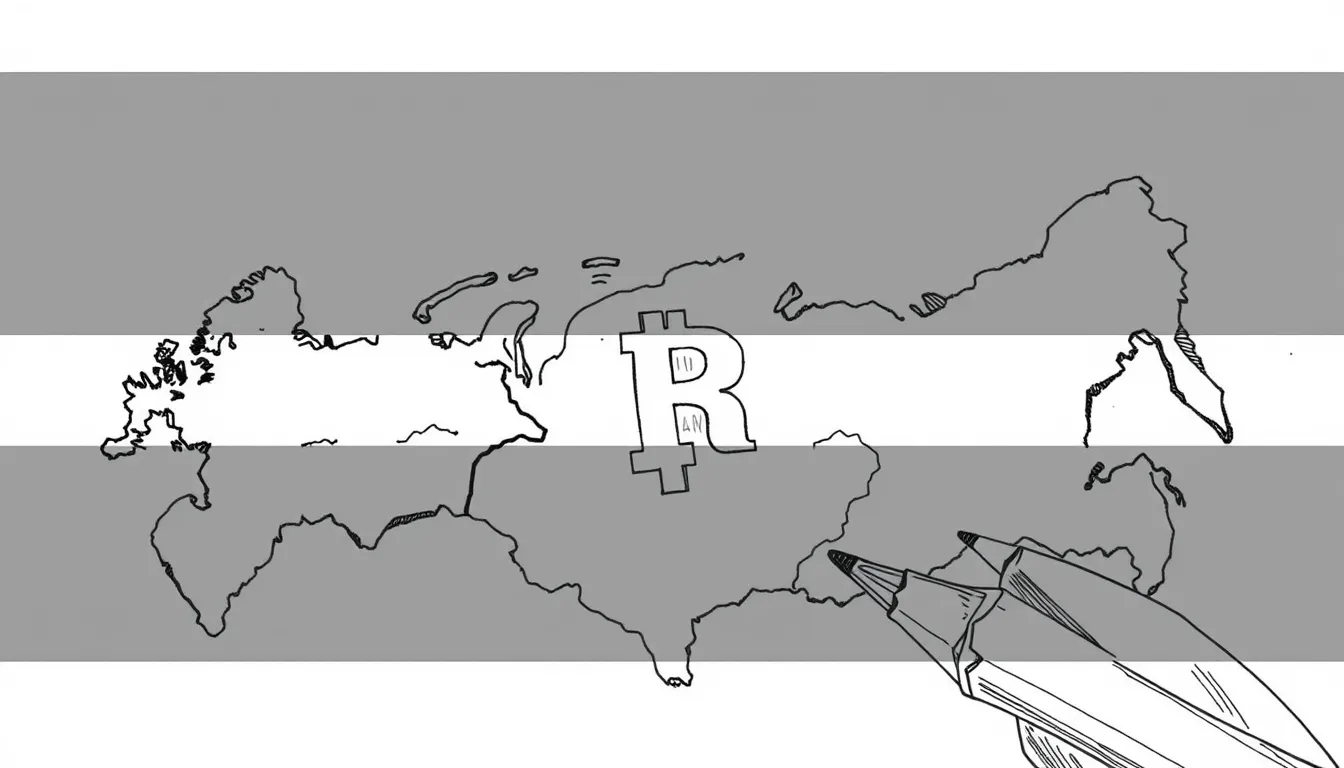
Russia Opens Crypto to Retail Investors: New Rules Explained
What Changed and Why It Matters
Starting November 17, ordinary Russians will be allowed to buy Bitcoin, Ether and Tether’s USDT through licensed brokers, asset managers and crypto exchanges. The rules were finalized by the Bank of Russia and mark a sharp reversal. Four years ago, the same central bank had pushed for a complete ban on cryptocurrency. To understand the change, a few terms help. A non-qualified (retail) investor is an individual who does not meet the financial thresholds set for sophisticated investors, typically based on income, assets or experience. A qualified investor meets those thresholds and faces fewer restrictions. A stablecoin is a cryptocurrency designed to hold a steady value by tracking an asset such as the US dollar. USDT is currently the only stablecoin that Russian retail investors can legally buy under the framework. Exchanges may list only the three approved assets for retail clients, and the list was built on liquidity and trading history on regulated venues rather than market size. The shift matters for several reasons. It brings a large domestic market under formal oversight, it creates a legal route into digital assets for millions of people, and it signals that a major economy now sees regulated crypto infrastructure as something to build rather than block. Financial institutions have until July 1, 2027, to align their systems fully with the new requirements, so the rollout will unfold over several years.
Limits, Perspectives and Trade-Offs
The access comes with firm boundaries. Non-qualified investors face an annual purchase cap of 300,000 rubles, roughly 3,600 dollars. Reporting differs on whether the cap applies per intermediary or per asset, but either way the ceiling is modest. Qualified investors have no such limit and can trade any cryptocurrency, including over the counter. The Bank of Russia estimates that retail investors make up about 98 percent of market participants, so the cap is aimed at a very large group. From the regulator’s perspective, the goal is to pull activity away from unregulated peer-to-peer trading and into channels it can monitor. Supporters argue that this reduces hidden risks, such as fraud and sanctions exposure, while giving people a legitimate option. Critics may point out that a low cap limits real benefit for everyday savers and that qualified investors gain a clear advantage. XRP illustrates the trade-off. Despite its size and institutional use, it was excluded from the retail list because it did not meet the liquidity criteria. The USDT situation is more complicated. Tether complies with US sanctions and has frozen USDT linked to sanctioned Russian exchanges, yet its token is now the only legal stablecoin option for Russian retail buyers. Both sides of that tension carry real risk, which is why the rules deserve careful reading rather than quick headlines.
Practical Takeaways for Investors
If you are considering a crypto investment under the new framework, start by confirming that your broker or exchange is licensed and listed as an approved provider. Track your purchases against the annual cap, and keep records in case reporting requirements or tax rules apply. Know the limits of each asset. Bitcoin and Ether are volatile, and even a stablecoin like USDT carries counterparty and regulatory risk, despite its dollar peg. Position sizing matters more than picking the right coin. Many financial planners suggest limiting speculative holdings to an amount you could afford to lose entirely. Some investors compare crypto with Gold investment as a portfolio component. Gold has a long history as a store of value and often behaves differently from equities, but it also fluctuates and does not generate income. Crypto has higher volatility and a shorter track record, so the two serve different roles. A mix of assets, rather than a bet on one, often reduces risk. Watch the Moscow Exchange’s planned December launch, since trading volume and pricing there will show how much demand the rules create. Finally, remember that rules can change. Read official Bank of Russia announcements, and consider speaking with a licensed financial adviser before committing money. This article is general information, not personal financial advice.
Source: Russia Opens Crypto to Retail Investors on November 17: What the New Rules Actually Allow