
Texas Town’s Bid to Control Bitcoin Miner Noise Fails
The article details the failed attempt by residents of an unincorporated area in Hood County, Texas, to form a new city, Mesa Grande. The primary motivation behind this endeavor was to gain local regulatory control, specifically over a large Bitcoin mining facility operated by Bitdeer Technologies Group. This mining operation, a key example of the technology driving decentralized digital currencies, has become a significant source of contention due to constant, excessive noise.
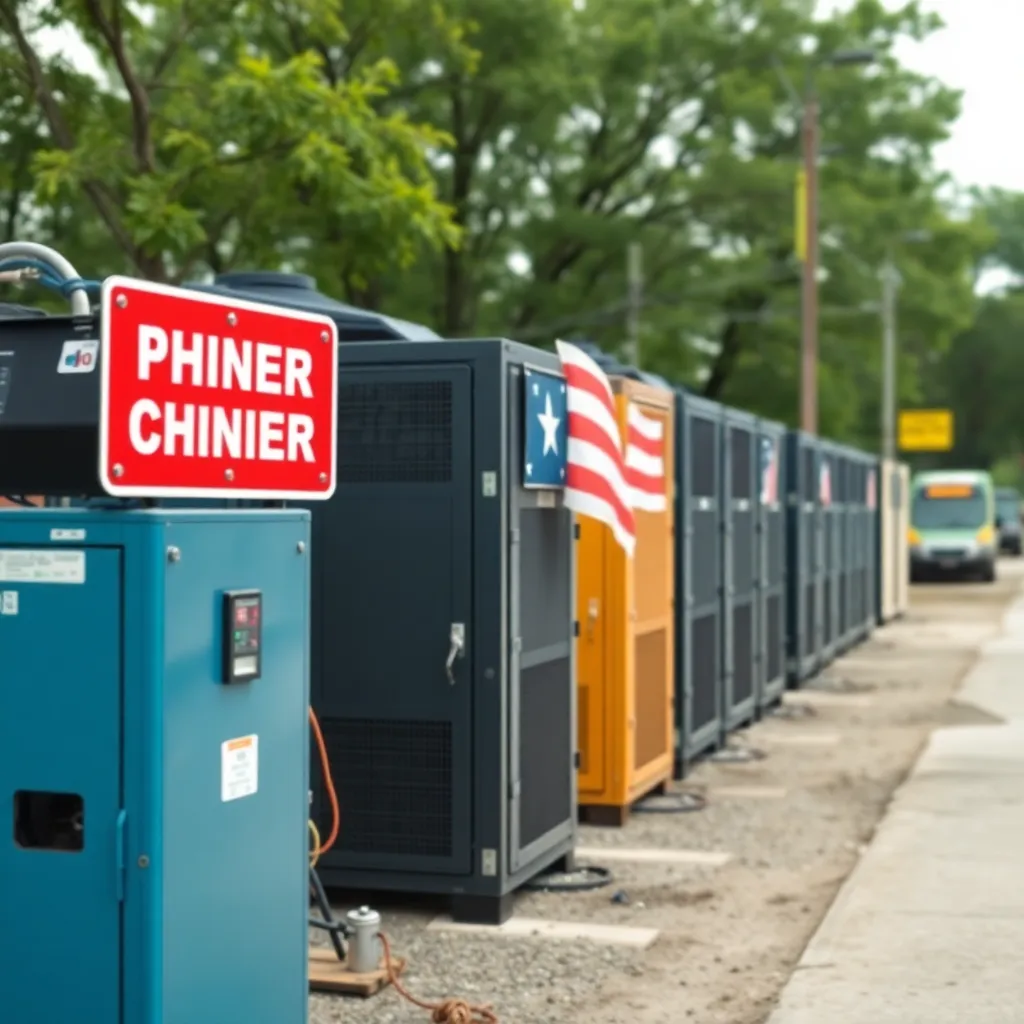
Bitcoin mining, at its core, involves powerful, specialized computer hardware known as Application-Specific Integrated Circuits (ASICs) that perform complex cryptographic calculations to validate transactions and secure the Bitcoin network. A critical feature of these operations is their high energy consumption, which in turn generates substantial heat. To manage this, mining facilities utilize vast arrays of industrial-grade cooling fans, which are the primary source of the “jet engine” like noise described by residents – a continuous “humming, buzzing, and roaring” sound that operates 24/7.
While the technology’s inherent benefit is its contribution to the Bitcoin network’s integrity and the potential for economic decentralization, its local impact can be significant. Bitdeer, the operator, asserts its compliance with Texas Commission on Environmental Quality (TCEQ) guidelines and highlights local economic benefits such as job creation and tax revenue. They also claim to have implemented sound mitigation efforts, including building berms, planting trees, and adjusting fan speeds. However, these measures have not satisfied the local community.
The target audience for such mining operations includes the global Bitcoin network for transaction processing, and financially, investors seeking returns from cryptocurrency mining. For the local communities where these facilities are situated, the “benefits” are presented as economic growth, though often weighed against environmental and quality-of-life concerns. The technical specifications, while not explicitly detailed in numerical values, are implicitly characterized by the immense scale of cooling required, leading to the reported high noise levels, which are the direct consequence of powerful, continuously running industrial fans necessary to prevent overheating of the ASIC miners. This conflict underscores a broader challenge for the crypto industry as it expands into rural areas, balancing technological operations with community well-being.
The noise dispute highlights ongoing tensions between communities and industrial operations supporting bitcoin monetary systems infrastructure.
The controversy highlights growing concerns about blockchain technology noise pollution as cryptocurrency mining operations expand into residential areas across the state.
Local residents had hoped the new ordinance would provide relief from the persistent digital asset noise disrupting their daily lives.